Fundamentals of Anandi Balbhavan
Fine motor skills, gross motor skills, and nature observation play a vital role in a child’s overall development. Fine motor skills help children perform tasks requiring hand and finger coordination, such as writing and dressing. Gross motor skills support movement, balance, and physical strength through activities like running or jumping. Nature observation, on the other hand, sparks curiosity, creativity, and awareness of the environment. Together, these aspects contribute to physical, cognitive, and emotional growth. This write-up explores how each of these skills enriches early childhood experiences and lays a strong foundation for lifelong learning and development.
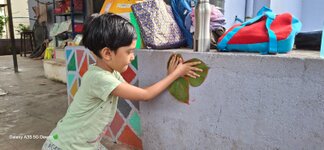
Fine Motor Skills
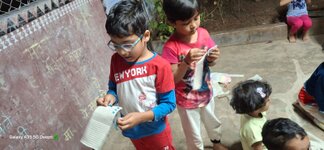
Fine motor skills are essential for performing everyday tasks and play a key role in helping children develop independence and confidence. Motor planning is the ability to plan, sequence, and execute a physical task is a crucial part of this process. Fine motor skills involve the coordination of small muscles, particularly in the hands, fingers, lips, tongue, and eyes, working together with the brain and nervous system to control precise movements.
These skills support dexterity and enable individuals to handle and manipulate small objects effectively using their hands and fingers.





Gross Motor Skills
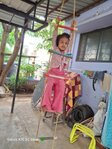
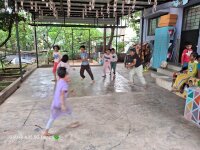
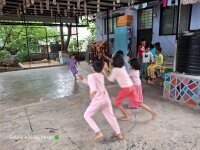
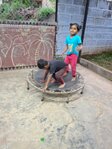
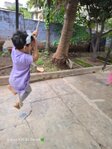
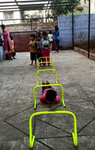
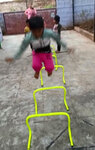
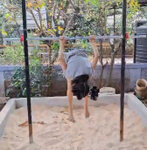
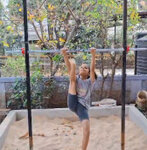
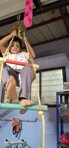
Gross motor skills enable individuals to perform everyday movements using their entire body. These skills help develop strength, balance, and coordination; all of which are essential for physical activity and overall development. Successfully performing gross motor tasks boosts a child’s self-esteem and sense of accomplishment.
Gross motor movements involve large muscle groups in the body, such as those in the legs, arms, and torso.
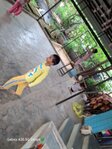
Gross motor skills are mainly gained by participating in various outdoor activities, exercises, games etc. When we allow children to play, we directly encourage & support them to grow as a skilful personality.



Fostering Lifelong Readers through Quality Children's Literature
Anandi Balbhavan offers a rich collection of high-quality children’s literature. As David Snowdon, author of Aging with Grace, states, “Reading to children from an early age is the best way to develop their vocabulary and reading comprehension.” In alignment with this philosophy, Anandi Balbhavan maintains a well-curated library of over 500 books for children aged 3 months to 12 years.
Reading is considered the fourth basic human need. Therefore, consistent efforts are made to nurture strong reading habits from an early age. The habit of reading during childhood enhances listening skills, sparks imagination, and supports emotional development. It also helps children develop the ability to make predictions, an important cognitive skill.
In addition, reading contributes significantly to language acquisition, cognitive growth, and overall emotional well-being, laying a strong foundation for lifelong learning and personal development.



Nurturing Young Minds through Nature Observation
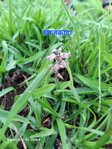
Nature observation plays a vital role in a child’s development by nurturing curiosity, creativity, and a sense of wonder about the environment. Nature is full of fascinating elements that captivate children’s attention; often teaching them valuable lessons without them even realising it.
Simple experiences such as watching a flower bloom and wilt, observing the sunrise and sunset, or noticing insects and weather changes help children understand patterns, life cycles, and the continuity of the natural world. These observations lay the foundation for scientific thinking and environmental awareness.
At Anandi Balbhavan, we actively engage children in nature-based learning. We plant vegetables and track their growth, observe the life cycle of butterflies, and discuss the many wonders of the natural world. This hands-on, dynamic environment fosters critical skills such as problem-solving, observation, and creative thinking.
Nature truly serves as an open classroom; offering endless opportunities for discovery and learning.